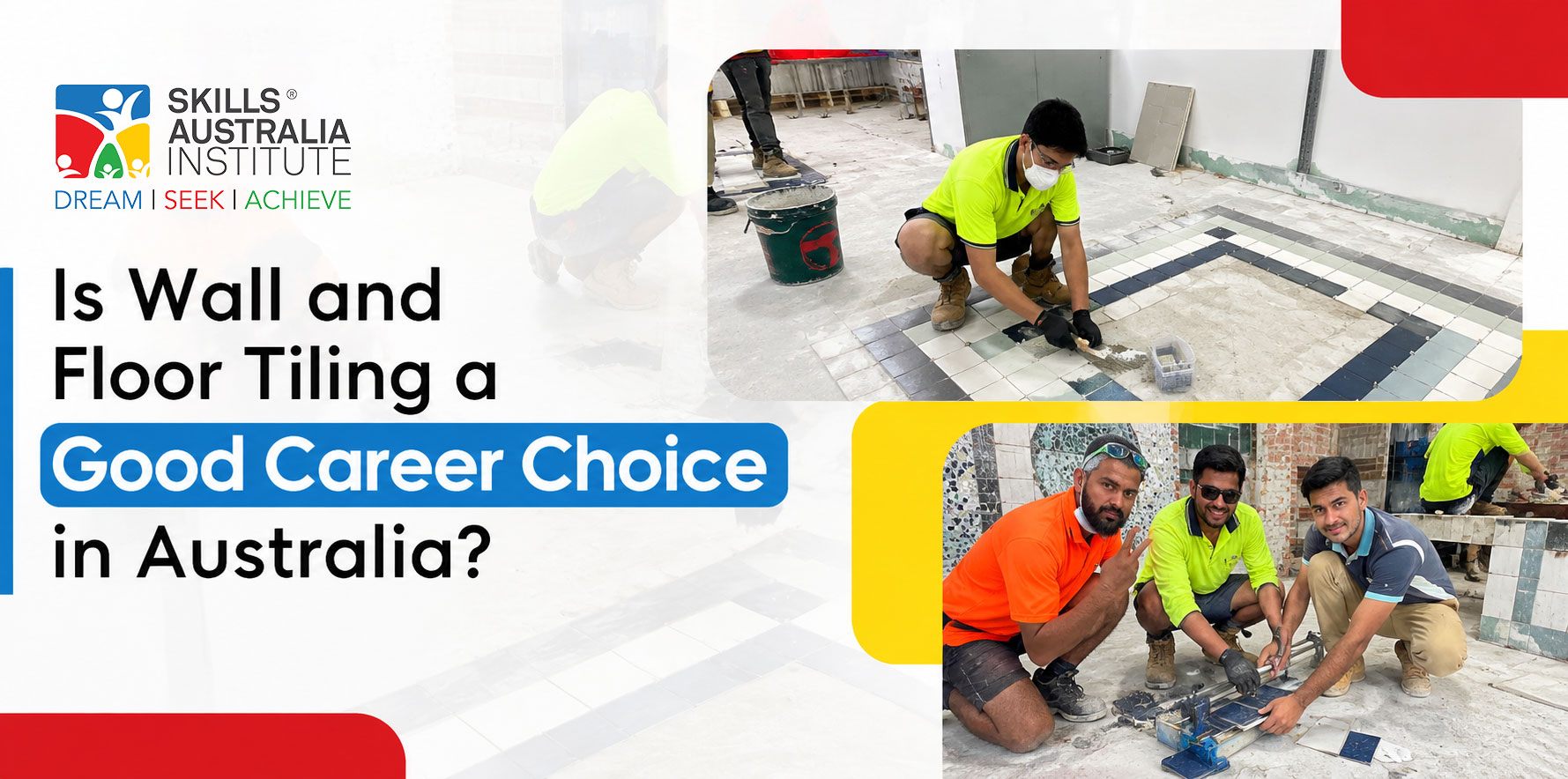
Wall and floor tiling can be a strong trade pathway in Australia for people who prefer practical work, construction settings and skills developed through formal training. Floor and wall tilers operate in both domestic and commercial construction projects through surface preparation, measurement, cutting of tiles and installation.
A wall and floor tiling course in Australia can provide structured training in these areas while developing safe work practices and technical knowledge. Career prospects depend on qualifications, experience, location and workplace requirements.
The profession can even result in contracting and self-employment after gaining enough practical experience and understanding the business and regulatory aspects of working independently.
Wall and floor tiling is a construction trade focused on installing tiles across residential and commercial spaces. Tilers work with materials such as ceramic, clay, slate, marble and glass. Their work generally involves:
The profession requires precision, measurement skills, safe tool handling and organised work practices. Projects can include bathrooms, kitchens, floors, walls, outdoor areas and commercial interiors. Licensing, certification and other work requirements can vary between Australian states and territories.
A tiling career in Australia can suit people who want practical construction work. Employment can lead to builder and contractor roles, with independent work becoming a later option.
Wall and floor tilers are mainly employed in construction. New South Wales, Queensland and Victoria account for the largest employment shares.
Demand can arise from residences, apartments, commercial structures, renovation and maintenance. Employers require proper surface preparation and installation according to the specifications. Experience can strengthen employability.
Wall and floor tiling can be a suitable career choice in Australia for people who enjoy practical, hands-on work and prefer seeing the results of their skills on completed projects. The trade involves measuring surfaces, preparing bases, cutting and positioning tiles, maintaining accurate spacing and making precise cuts around corners, pipes and fittings.
Working across different layouts and construction settings can also build practical skills, attention to detail and problem-solving ability.
Tilers work across metropolitan areas, regional centres and smaller communities. Employment levels vary between states, yet the job roles of tiler, tiling supervisor, construction manager and many more are present across Australia. New South Wales, Queensland and Victoria have the largest employment shares in the occupation profile, followed by Western Australia and South Australia.
Residential projects may involve bathrooms, kitchens and living spaces. Commercial work can cover larger floor areas and require coordination with other trades. Project variety can broaden a tiler’s work profile.
Independent work can suit an experienced tiler who wants greater control over projects and clients. A contractor may manage site visits, quotations, material orders, scheduling and invoicing alongside installation.
Business responsibilities include pricing, cash flow, insurance, taxation and record keeping. Licensing or registration may apply according to the state or territory and type of work. Site experience helps prepare a worker for these responsibilities.
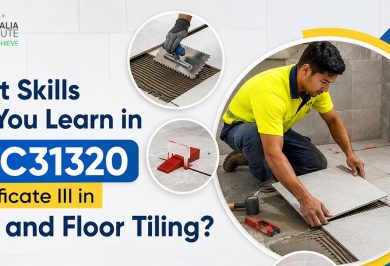
The CPC31320 Certificate III in Wall and Floor Tiling provides structured trade training for learners entering the tiling industry. The qualification covers areas that build practical knowledge in tile installation, surface preparation, measurement, planning and safe construction practices.
| Unit Code | Unit Title |
|---|---|
| CPCCWF3003* | Install wall tiles |
| CPCCOM1015 | Carry out measurements and calculations |
| CPCCWF2002* | Use wall and floor tiling tools and equipment |
| CPCCWHS1001 | Prepare to work safely in the construction industry |
| CPCCWF3006* | Install mosaic tiling |
| CPCCOM1013 | Plan and organise work |
| CPCCWF3001* | Prepare surfaces for tiling application |
| CPCCCM2006 | Apply basic levelling procedures |
| CPCCWF3004* | Repair wall and floor tiling |
| CPCCOM2001* | Read and interpret plans and specifications |
| CPCCWHS2001 | Apply WHS requirements, policies and procedures in the construction industry |
| CPCCWF3007* | Tile curved surfaces |
| CPCCOM1012 | Work effectively and sustainably in the construction industry |
| CPCCWF2001* | Handle wall and floor tiling materials |
| CPCCCM2012* | Work safely at heights |
| CPCCWF3005* | Install decorative tiling |
| CPCCOM1014 | Conduct workplace communication |
| CPCCWF3002* | Install floor tiles |
| CPCCCM2008* | Erect and dismantle restricted height scaffolding |
| CPCCWF3009* | Apply waterproofing for wall and floor tiling |
Surface preparation plays a vital role in the training as tiles require an appropriate surface prior to any adhesive being added. Learners develop skills for preparing wall and floor surfaces and installing tiles in construction settings.
Measurement and setting out guide the layout before installation. Learners develop skills in calculations, reading plans and specifications and basic levelling. Planning determines where lines, joints, cuts and feature areas will fall.
Construction training includes safe work practices, material handling and workplace health and safety requirements. According to Safe Work Australia, the general construction induction training is supposed to be completed before construction work. This entails training on hazards, control measures, consultation, and risk management.
CPC31320 Certificate III in Wall and Floor Tiling provides a trade outcome for wall and floor tiling in residential and commercial construction. Occupational titles listed for the qualification include Tiler and Wall and Floor Tiler.
A wall and floor tiler installs tiles across internal and external surfaces. The role can cover measuring, preparation, setting out, cutting, adhesive application, alignment, grouting and finishing.
Expected Salary: $75,000 to $87,000 per year
A construction tiler works as part of a wider building or fit-out project. The role can involve coordinating with builders, plumbers, electricians and other trades to keep installation work in sequence.
Expected Salary: $80,000 to $85,000 per year
A tiling contractor combines trade work with project and client responsibilities. Alongside installation, the contractor may estimate quantities, prepare quotations, order materials, arrange labour and monitor deadlines.
Expected Salary: $100,000 to $150,000 per year
The course structure covered here takes 104 weeks. It consists of four semesters, with each semester lasting 26 weeks. Each semester contains two terms of study lasting 10 weeks each, followed by a three-week break at the end of each term. Across the full program, this equals eight terms of study and 24 weeks of breaks.
An education institute should explain the timetable, practical sessions, assessment methods and any industry-based training before enrolment.
A Tiling Pathway may be a good option for those interested in pursuing a skilled trade that involves hands-on work and tangible outcomes. This profession demands physical fitness, accuracy in measurements and proper safety measures.
When comparing college courses, one should look into the qualification code, unit structure, facilities for practice, mode of assessment, and timetable.
A career as a tiler would be suitable for individuals who value craftsmanship and wish to develop their skills through hands-on experience. The trade offers a chance to progress from installation roles to contracting as experience grows.
For students seeking structured trade training, Skills Australia Institute can be a pathway to develop relevant industry skills and prepare for workplace requirements.
Answer:- Materials commonly used include ceramics, clay, slate, marble, and glass. The choice of material will depend on the surface and its intended use.
Answer:- Yes, tiling work can be done for interior and exterior walls as well as floors. It depends on the situation and surroundings.
Answer:- Yes, experience can lead to decorative patterns, mosaic installation, curved surface work or even large commercial projects, depending on the level of experience.
Answer:- Tiling involves mainly physical activity, which includes standing, kneeling, lifting, measuring, cutting and placing.
Answer:- Students researching a tiler course in Australia should compare unit content, practical training, delivery format and entry conditions. State or territory requirements should also be checked.


I enjoy attending the school, the learning experience is really good. I get to interact with the trainers and people from diverse backgrounds and cultures. I love the school.

I think the school is very nice. Teacher is very supportive and good. And also improve my English in the all English environment. I love this school!

Staffs and trainers are good and I am enjoying my course with my classmates and friends.

The trainers here are very nice and polite towards students. The way they train us are very nice and easy to understand. The environment of the college is also nice, everyone is respectful.

Going far and beyond just educating students. Its how the educators broaden my way of thinking. In a new country I used to be limited underachieving and to shy to voice my opinions , but they bridged the gap. That's how SAI has really grown my passion in Early Childhood Development. Forever grateful.

Being an international student is exciting but if I would describe my experience in one word It is life changing studying abroad is quite challenging, it is an experience of a lifetime for me. It is about learning new things, culture and enhanced my skills in cooking. The teachers and staff were very helpful, professional and hands on when it comes to teaching us new skills and knowledge. I can say that studying at SAI allowed me to gain new perspective which would benefit me in the future.

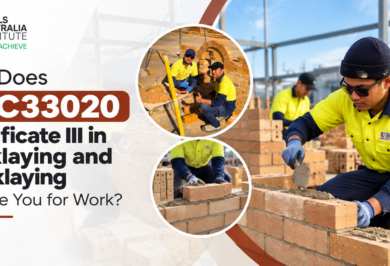
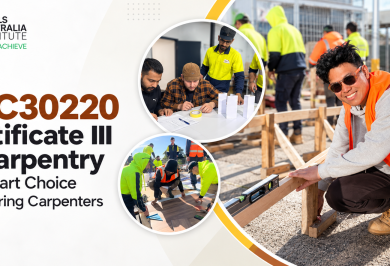
I enrolled Carpentry course at SAI last year July, since that time I feel so grateful to study here. They have really good trainers that you can be a good friends as well. The tools that they have brilliant, they have everything. It helps us along. Never regret to choose SAI to study.

In the spirit of reconciliation, Skills Australia Institute acknowledges the Traditional Custodians of the country throughout Australia and their connections to land, sea and community. We pay our respect to their Elders, past and present and extend that respect to all Aboriginal and Torres Strait Islander peoples today.

At Skills Australia Institute, we strive to create a secure and inclusive space for the LGBTQIA+ communities.